
Modern life moves fast. From endless notifications to work pressure and personal responsibilities, it’s easy to feel mentally exhausted. If you’ve ever wished you could pause, breathe, and find a little peace, meditation may be exactly what you need.
The good news? You don’t need to sit for an hour on a mountain or become a spiritual expert. Even 10 minutes of meditation each day can help you feel calmer, more focused, and emotionally balanced.
This beginner-friendly guide will show you exactly how to start a simple meditation practice, even if you’ve never tried it before.
What Is Meditation?
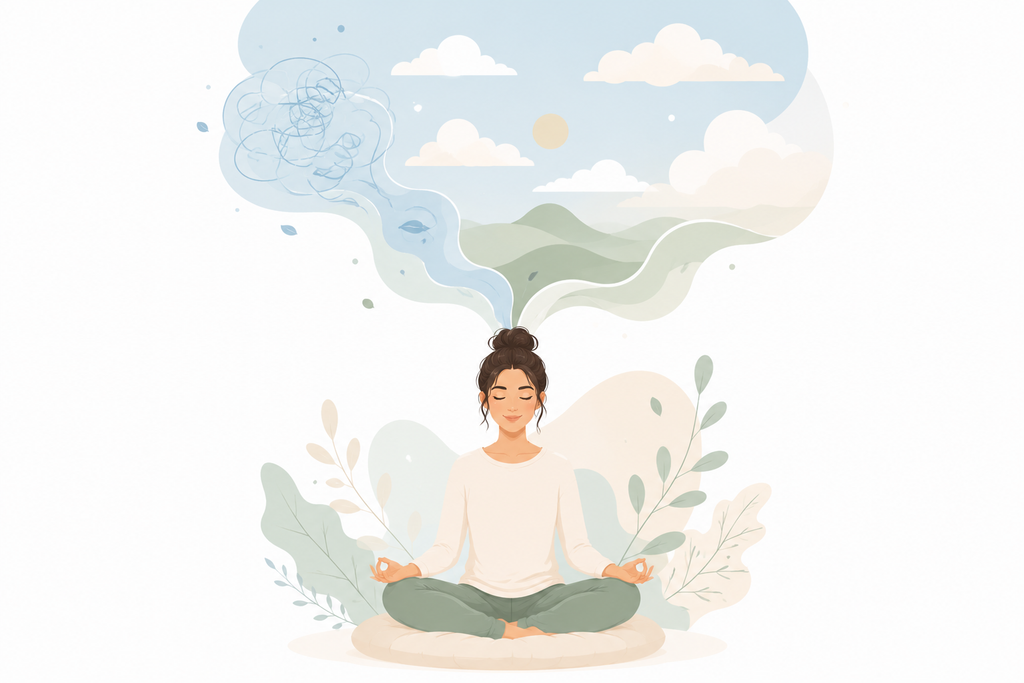
Meditation is a practice of gently training your attention. Instead of trying to stop your thoughts, meditation teaches you to observe them without becoming overwhelmed.
Think of your mind like the sky. Thoughts are the clouds—they come and go. Meditation helps you become the sky rather than getting carried away by every cloud.
With regular practice, meditation helps create more space between your thoughts and your reactions, making it easier to handle stress and life’s challenges.
Benefits of Daily Meditation
Many people start meditating to reduce stress, but the benefits go far beyond relaxation.
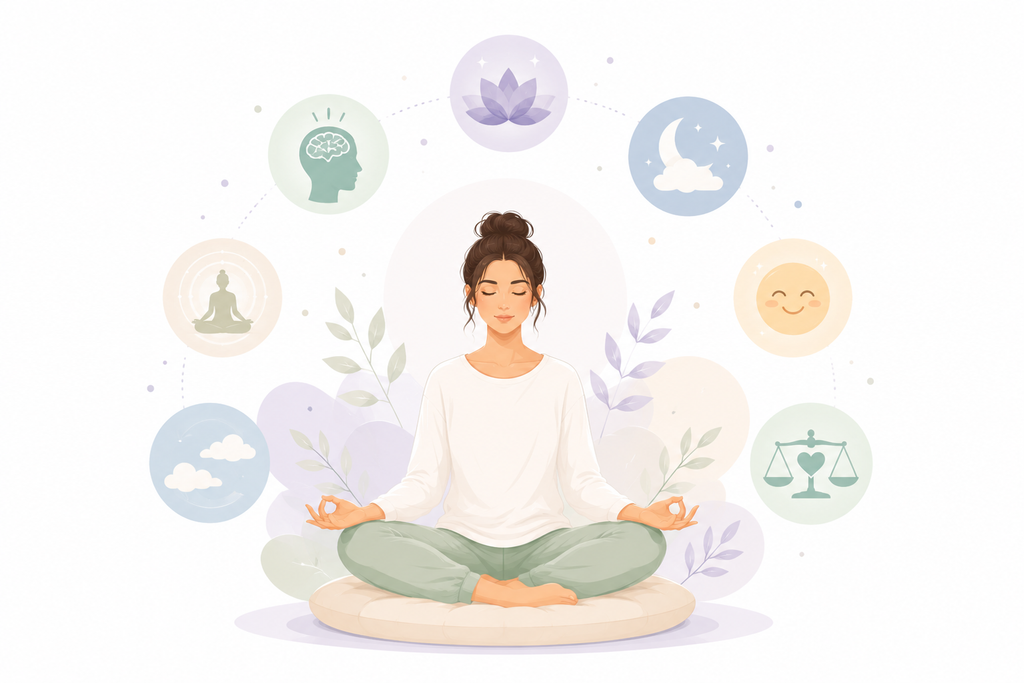
Regular meditation may help you:
- Feel calmer during stressful situations
- Improve concentration and focus
- Sleep more peacefully
- Reduce overthinking
- Increase emotional awareness
- Develop patience
- Improve decision-making
- Build resilience during difficult times
- Feel more connected with yourself
- Create healthier responses instead of impulsive reactions
Even a few minutes every day can make a noticeable difference over time.
Do You Need Special Equipment?
Absolutely not.
You only need:
- A quiet place
- Comfortable clothing
- A chair, cushion, or bed
- Ten uninterrupted minutes
- A willingness to begin
You don’t need candles, crystals, incense, or expensive meditation apps to get started.
Preparing for Your Meditation
Choose a place where you won’t be disturbed.
Turn your phone to silent mode and sit comfortably. Your posture should feel relaxed but alert.
Keep your back naturally straight without forcing it.
Rest your hands on your knees or lap.
Close your eyes if that feels comfortable. Otherwise, soften your gaze toward the floor.
Take one deep breath and allow your shoulders to relax.
You’re ready.
Your Simple 10-Minute Meditation Routine
Minute 1: Settle In
Take a slow deep breath through your nose.
Exhale gently through your mouth.
Repeat this three times.
Notice your body relaxing with each breath.
Don’t worry if your mind is busy.
Minutes 2–4: Focus on Your Breath
Allow your breathing to return to its natural rhythm.
Simply notice:
- Air entering your nose
- Air leaving your nose
- Your chest rising
- Your abdomen expanding
There’s nothing to control.
You’re simply observing.
Minutes 5–7: Notice Your Thoughts
Eventually, your mind will wander.
This is completely normal.
You may think about:
- Work
- Family
- Food
- Future plans
- Old memories
Instead of getting frustrated, gently notice:
“I’m thinking.”
Then kindly return your attention to your breathing.
Every time you come back, you’re strengthening your mindfulness.
Minutes 8–9: Scan Your Body
Bring your attention slowly through your body.
Notice:
- Your forehead
- Eyes
- Jaw
- Neck
- Shoulders
- Chest
- Arms
- Hands
- Stomach
- Legs
- Feet
If you notice tension, simply breathe into that area and allow it to soften.
No need to force relaxation.
Minute 10: End with Gratitude
Take one final deep breath.
Before opening your eyes, silently say:
“Thank you for taking this time for yourself.”
Slowly open your eyes.
Take a moment before jumping back into your day.
What If You Can’t Stop Thinking?
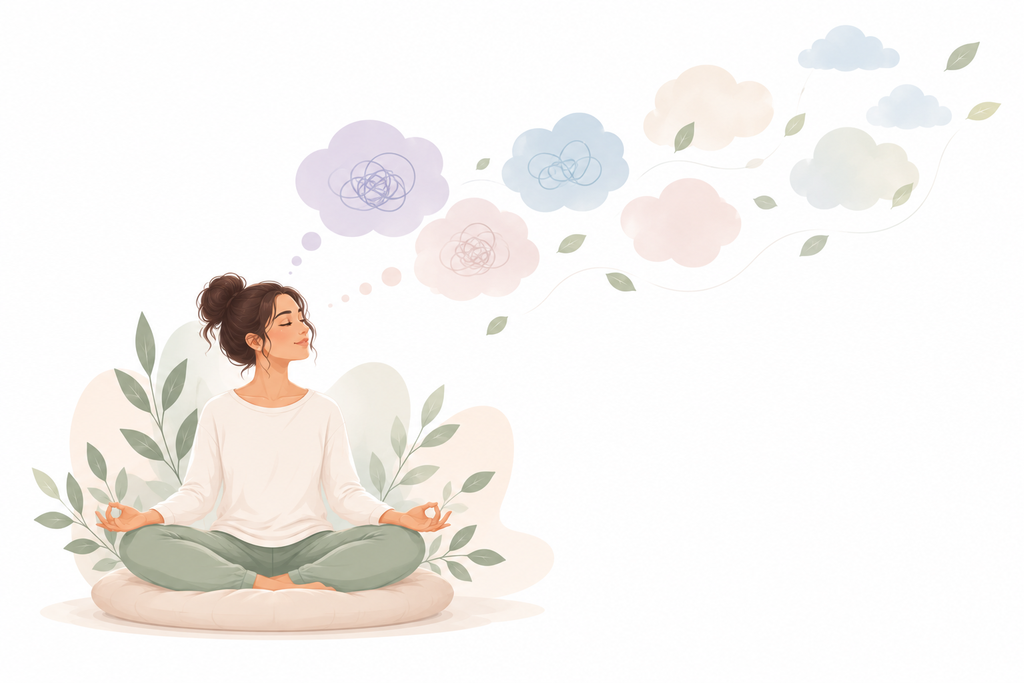
One of the biggest misconceptions is that meditation means having a completely empty mind.
It doesn’t.
Even experienced meditators have thoughts.
The goal isn’t to eliminate thinking.
The goal is learning to notice thoughts without immediately following them.
Every time your attention wanders and you gently bring it back, you’re practicing meditation successfully.
Best Time to Meditate
There’s no perfect time.
Choose a time that fits naturally into your routine.
Popular options include:
- Early morning before checking your phone
- During a lunch break
- After work to release stress
- Before bedtime for better sleep
Consistency matters more than timing.
Common Beginner Mistakes
Expecting Instant Results
Meditation is a skill that grows with practice.
Some days feel peaceful.
Some days feel busy.
Both are perfectly normal.
Judging Yourself
Avoid thinking:
- “I’m bad at meditation.”
- “I’m doing it wrong.”
- “I can’t focus.”
Every meditation session is valuable.
Trying Too Hard
Meditation isn’t about forcing relaxation.
It’s about allowing yourself to simply be present.
Skipping Days
Missing a day doesn’t mean you’ve failed.
Just begin again tomorrow.
Progress comes from consistency, not perfection.
Easy Ways to Build the Habit
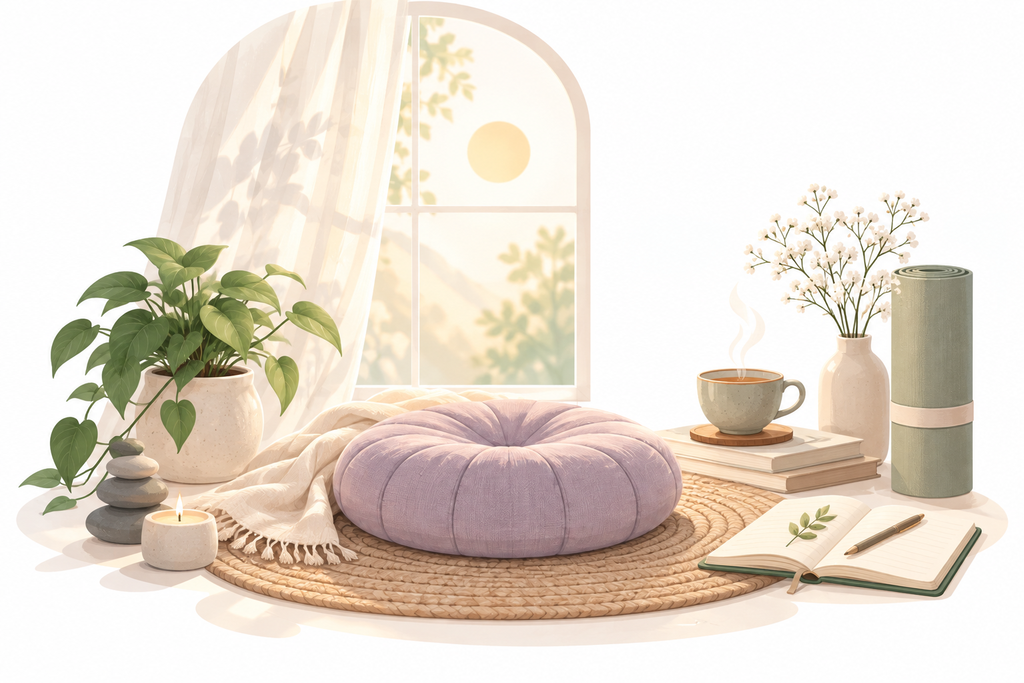
Creating a routine makes meditation easier.
Try pairing meditation with something you already do.
For example:
- After brushing your teeth
- Before drinking morning coffee
- After your evening shower
- Before reading at night
This technique helps your brain remember the new habit naturally.
Guided Meditation vs Silent Meditation
Both approaches work well.
Guided Meditation
A teacher guides you with spoken instructions.
Great for beginners.
Silent Meditation
You meditate without audio guidance.
Helpful once you’re comfortable sitting quietly.
Many people start with guided sessions before transitioning to silent practice.
Can Meditation Help with Stress and Anxiety?
Meditation isn’t a replacement for professional mental health care, but many people find it helpful for managing everyday stress and anxious feelings.
By focusing on the present moment and observing thoughts without judgment, meditation can reduce mental overload and create a greater sense of calm.
If anxiety is severe or persistent, it’s important to seek support from a qualified mental health professional alongside any self-care practices.
Staying Motivated
Don’t focus on meditating perfectly.
Focus on simply showing up.
Some days your meditation will feel peaceful.
Other days your mind will race.
Both are part of the journey.
Remember:
Ten minutes every day is more powerful than one hour once a month.
Final Thoughts
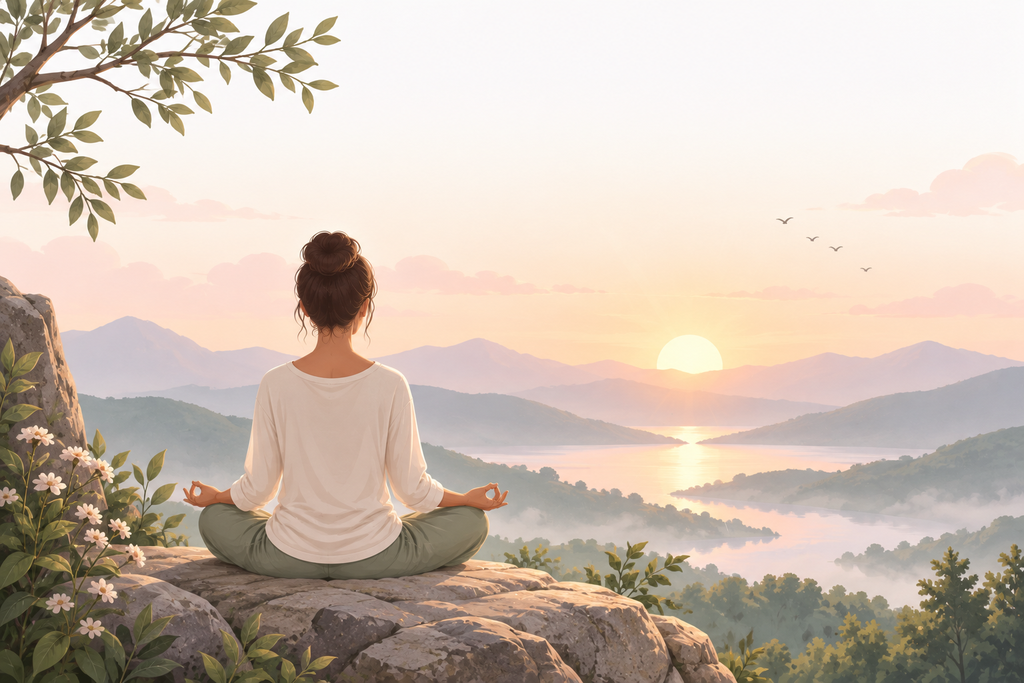
Meditation isn’t about escaping life—it’s about learning to experience life with greater awareness, patience, and calm.
You don’t need special skills or years of practice to begin. All you need is a quiet moment, a comfortable place to sit, and the willingness to return to your breath whenever your mind wanders.
Start with just 10 minutes today. Over time, those small moments of stillness can become a meaningful part of your daily routine, helping you feel more grounded, focused, and emotionally balanced.
The journey doesn’t begin when your mind becomes perfectly quiet—it begins the moment you decide to pause and be present.
FAQ
1. How do beginners start meditating?
Beginners can start by sitting comfortably in a quiet place, focusing on their breathing for 5–10 minutes, and gently bringing their attention back whenever their mind wanders. Consistency is more important than long sessions.
2. Is 10 minutes of meditation enough?
Yes. A 10-minute daily meditation practice is enough to improve mindfulness, reduce stress, and build a lasting habit. Regular practice matters more than duration.
3. What is the best time to meditate?
The best time is whenever you can practice consistently. Many people prefer meditating in the morning to start the day calmly or before bed to relax.
4. What should I think about during meditation?
You don’t need to think about anything specific. Simply observe your breath or body sensations. If thoughts arise, notice them without judgment and gently return your focus.
5. Can meditation reduce stress and anxiety?
Meditation can help manage everyday stress and anxious feelings by improving awareness and encouraging relaxation. However, it should not replace professional mental health treatment when needed.
6. How long does it take to see meditation benefits?
Some people feel calmer after their first session, while lasting benefits usually develop after practicing consistently for several weeks.
7. Can I meditate while lying down?
Yes. However, sitting upright is generally recommended because it helps you stay alert. Lying down is a good option before bedtime or if sitting is uncomfortable.
8. Do I need an app to meditate?
No. Meditation can be practiced without any special equipment or apps. A quiet place and a few uninterrupted minutes are enough.